 Vietnamnet.vn

 Podcast



After over a decade of chasing Samsung, Apple has finally pulled off what many once thought impossible: reclaiming the title of world’s top smartphone maker. And the key to this comeback? None other than the standard iPhone 17.
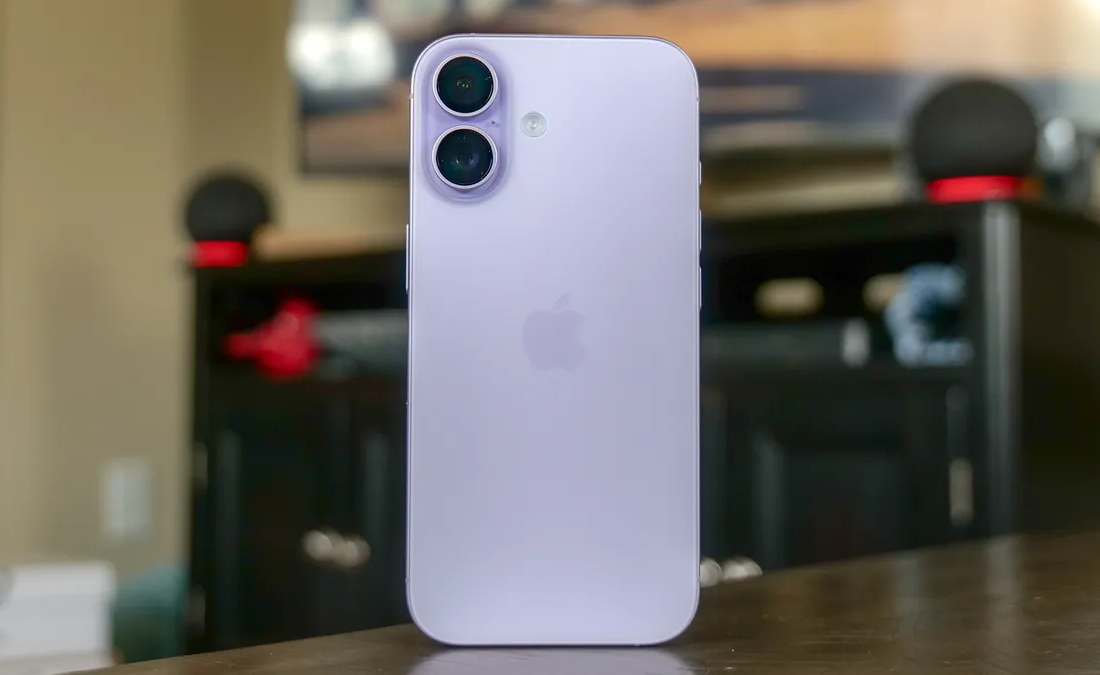
According to the latest data from IDC and Counterpoint, Apple accounted for 20% of global smartphone shipments in 2025 -up 10% from the previous year -edging past Samsung’s 19%, which grew only 5%.
This marks the first time since the legendary iPhone 4 era that Apple has topped global shipment charts.
The feat is even more impressive given the broader economic climate: rising inflation, skyrocketing component costs, and a sector-wide RAM shortage have all put pressure on the industry.
So how did Apple pull ahead in such a challenging year? The answer lies in the iPhone 17 -though not in the way most expected.
The silent hero
When Apple unveiled the iPhone Air, it immediately drew attention for its ultra-thin design, light weight, and extreme minimalism.
Queues for the iPhone Air at some Apple stores were longer than those for other models.
But excitement quickly faded. In reality, the Air felt more like an experimental concept than a fully realized product.
Its weak battery, single rear camera, and throttled chip performance led to disappointment among mainstream users.
Despite its unique feel in hand, the iPhone Air proved too impractical to win over the masses.
Reports suggest Apple slashed production by up to 80%, and the model now accounts for only around 3% of total iPhone 17 series sales.
Deep discounts across markets and ongoing rumors about the Air’s uncertain future further confirm it wasn’t the engine of Apple’s resurgence.
Instead, the real game-changer was the standard iPhone 17. After years of criticism over outdated 60Hz displays, Apple finally brought its 120Hz ProMotion technology to the base model.
The impact was immediate. While $300 Android phones have offered 120Hz screens for years, Apple’s entry-level iPhones remained stuck in the past.
The iPhone 17 corrected that. It also introduced a new 48MP ultra-wide camera and a larger battery.
Most crucially, Apple kept the starting price at $799. This combination of meaningful upgrades and price stability drove a significant spike in demand.
Sales of the standard iPhone 17 jumped 31% over the iPhone 16 -outpacing even the Pro models in growth.
The move signals Apple’s shift toward expanding its appeal in the lower tiers of the market, rather than relying solely on loyal Pro buyers.
Though the iPhone 17 Pro still made up 76% of the series’ total sales, this ratio remained largely unchanged from the previous year -meaning growth came from the standard edition.
Beyond the US, the iPhone 17 also made waves internationally. In China, sales of the iPhone 17 series rose 14% year-over-year, with the standard model leading the charge.
In Europe, major markets like Germany, Switzerland, and the UK saw stock shortages within days of launch -signaling Apple had finally hit the right formula for wider consumer appeal during a period of tightened spending.
Still, the iPhone 17 Pro wasn’t without controversy. Its new “expansion ridge” design drew complaints for sharp edges that caused paint to chip easily.
The issue stemmed from aluminum anodization, which requires rounded edges for optimal coating adhesion. Excessively sharp corners caused faster wear and tear. Users also reported early scuffing and denting.
While the Pro still posted a 13% increase in sales, these design flaws may have held back further gains.
Overall, it was the winning combination of a successful standard model and a steady-performing Pro lineup that lifted Apple past Samsung -despite the clear misfire of the iPhone Air.
Why did Samsung lose the top spot?
Apple’s rise was aided by Samsung’s stumbles.
From its overly cautious Galaxy S25 and Z Fold 7 strategies to internal disruptions, Samsung faced what could only be described as a “perfect storm.”
The unexpected departure of co-CEO Han Jong-hee in early 2025 left a temporary leadership vacuum in Samsung’s mobile and consumer electronics divisions -at a critical time.
Hardware stagnation, especially in camera technology, coupled with internal turbulence, kept Samsung’s sales flat -giving Apple the edge.
Meanwhile, the broader smartphone market is facing serious headwinds. IDC and other analysts warn of a marked slowdown in global sales.
DRAM and NAND prices are surging, as chipmakers prioritize supplying AI data centers over smartphones.
The rise of generative AI tools like ChatGPT and Gemini demands increasingly powerful hardware -siphoning supply chains and putting even more pressure on phone manufacturers.
In response, Apple is reportedly considering a two-phase launch strategy for the upcoming iPhone 18.
Samsung, on the other hand, is prepping the Galaxy S26 series, alongside new Fold and Flip models.
In such a volatile climate, whether Apple can hold onto its hard-won lead remains uncertain.
Apple may be back on top -but is this a long-term turning point, or just a rare misstep from Samsung?
Hai Phong
.svg)
